
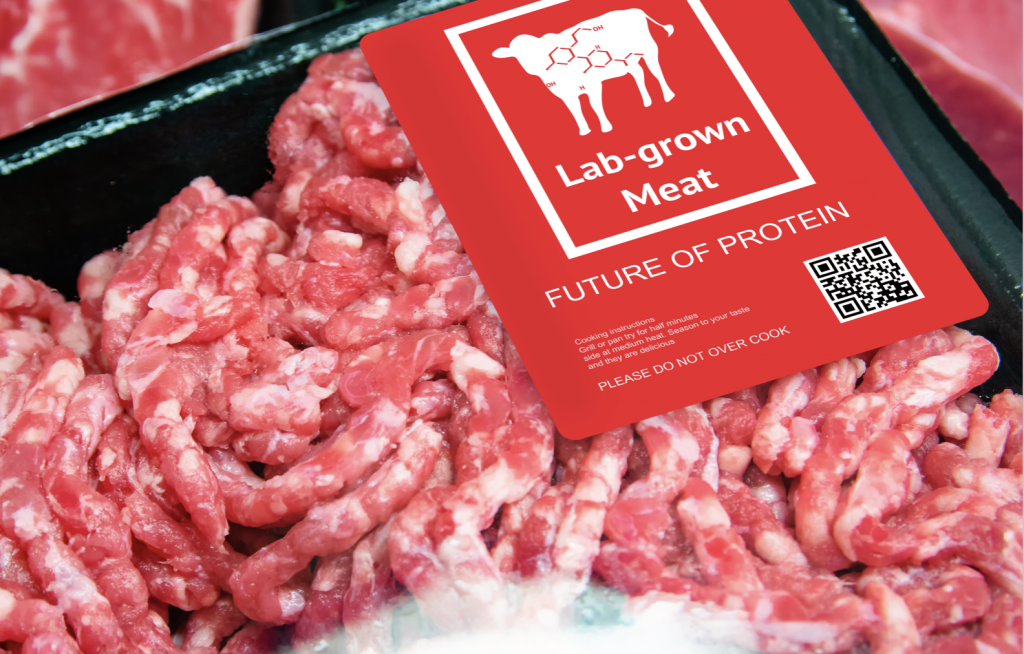

The way we eat has always been deeply connected to culture, environment, and technology. As we move into 2025 and beyond, food is no longer just about taste or nutrition—it’s about sustainability, ethics, and innovation. With climate change, population growth, and health challenges pressing humanity to rethink consumption, two major trends are standing out: lab-grown meat and sustainable diets. Together, they represent a paradigm shift in how we think about the food system and the role it plays in shaping a greener future.
Interestingly, just as industries like gaming use platforms such as togelslot88 login to innovate user experiences, the food industry is leveraging technology to redefine what’s possible on our plates.
What is Lab-Grown Meat?
Lab-grown meat, also called cultured or cell-based meat, is produced by cultivating animal cells in controlled environments rather than raising and slaughtering livestock. The process begins with collecting a small sample of animal cells, feeding them with nutrients, and allowing them to multiply into muscle tissue—the same tissue we consume as meat.
Unlike plant-based alternatives, which mimic meat using soy, pea, or wheat proteins, lab-grown meat is biologically identical to conventional meat. That means a lab-grown beef burger or chicken nugget has the same taste, texture, and nutritional value as the traditional version.
Companies like Upside Foods, Mosa Meat, and Eat Just have already made significant breakthroughs, with products gaining regulatory approval in markets like Singapore and the United States. Just as digital platforms such as togelslot88 login simplify user interaction in online entertainment, lab-grown meat simplifies the path from science to dinner tables.
Why Lab-Grown Meat Matters
There are several compelling reasons why lab-grown meat is becoming more than just a futuristic concept:
-
Environmental Benefits
Traditional livestock farming accounts for nearly 15% of global greenhouse gas emissions. Lab-grown meat could drastically reduce land use, water consumption, and methane emissions, making it a game-changer for climate change. -
Animal Welfare
By eliminating the need to raise and slaughter billions of animals, cultured meat aligns with ethical values and appeals to consumers who want cruelty-free options. -
Food Security
With the global population projected to reach nearly 10 billion by 2050, food demand will surge. Lab-grown meat provides a scalable way to meet protein needs without straining natural resources. -
Customization and Health
Scientists could engineer lab-grown meat with specific health benefits—less saturated fat, higher omega-3 content, or fortified with essential nutrients.
Sustainable Diets: More Than a Trend
While lab-grown meat addresses the “meat problem,” sustainable diets go beyond protein sources. A sustainable diet ensures nutritional needs are met without compromising environmental health. It promotes balance, diversity, and respect for natural systems.
Key Elements of Sustainable Diets
-
Plant-Based Foundations
Shifting toward whole grains, legumes, fruits, and vegetables lowers carbon footprints while boosting health. -
Alternative Proteins
Beyond lab-grown meat, insects, algae, and fermented proteins are gaining traction. -
Local and Seasonal Eating
Reducing reliance on imported goods minimizes transportation emissions and supports local farmers. -
Food Waste Reduction
Nearly one-third of global food is wasted. Smarter storage, better logistics, and consumer awareness can cut waste significantly.
The emphasis is not only on what we eat but also how much and where it comes from. This holistic approach mirrors innovations in digital spaces, where platforms like togelslot88 login prioritize user efficiency and sustainability in online ecosystems.
The Economic Perspective
Skeptics often point to the high cost of lab-grown meat. Indeed, the first cultured burger, produced in 2013, cost around $330,000. Today, however, costs have fallen dramatically, with companies predicting price parity with conventional meat within the next decade.
As production scales and technology advances, lab-grown meat could eventually become cheaper than traditional meat. The same pattern can be seen in renewable energy, where solar and wind power were once prohibitively expensive but are now competitive or even cheaper than fossil fuels.
Similarly, sustainable diets open new markets. From eco-friendly meal kits to apps that help track food waste, entrepreneurs are exploring ways to align profit with planet-friendly practices.
Social and Cultural Impacts
Food is more than just sustenance—it’s identity, tradition, and connection. For lab-grown meat to succeed, it must overcome cultural skepticism. Some consumers see it as “unnatural,” while others worry about taste and safety. Education, transparency, and early adopters will play critical roles in shifting public perception.
Sustainable diets also face cultural challenges. For example, reducing red meat consumption may conflict with traditions in some regions. The key lies in framing sustainable eating as a positive, aspirational lifestyle rather than a sacrifice. Much like togelslot88 login markets itself as a gateway to a better experience, sustainable food choices need to be communicated as beneficial, exciting, and forward-thinking.
Challenges Ahead
Despite its promise, the road to mainstream adoption of lab-grown meat and sustainable diets isn’t without hurdles:
-
Regulatory Frameworks: Each country must establish safety guidelines and approval processes.
-
Consumer Acceptance: Convincing people to embrace change is often harder than creating the technology itself.
-
Infrastructure Needs: From bioreactors for cultured meat to supply chains for alternative proteins, scaling requires massive investment.
-
Equity and Access: Ensuring sustainable diets are affordable and available to all is critical to avoid widening global inequalities.
Looking Forward
The future of food is being rewritten. Lab-grown meat and sustainable diets represent not just a technological shift but also a moral and cultural evolution. They ask us to reconsider our relationship with food, animals, and the environment.
In the coming years, dining tables may look radically different. We may share meals of lab-grown steak, algae pasta, and insect protein bars, paired with locally sourced produce—all while knowing we’re contributing to a healthier planet.
Just as togelslot88 login transforms the online entertainment journey through accessibility and innovation, the food revolution is transforming the culinary journey toward sustainability, ethics, and resilience.
Lab-grown meat and sustainable diets are no longer fringe ideas—they are the future. By combining science, technology, and human creativity, they offer solutions to some of the most pressing global challenges. While obstacles remain, the momentum is undeniable.
The next time we sit down for a meal, we might not just be eating to satisfy hunger. We’ll be participating in a movement—a choice that echoes far beyond the dinner plate, shaping the future of humanity and the planet we call home.
Read Also: The Impact of Street Art at Many River Festival Celebrations